Technical Resources
How Waterproof Breathable Membrane Structure Supports Building Drying
A practical guide to the membrane layers that resist liquid water, support vapor diffusion and improve handling during wall and roof installation.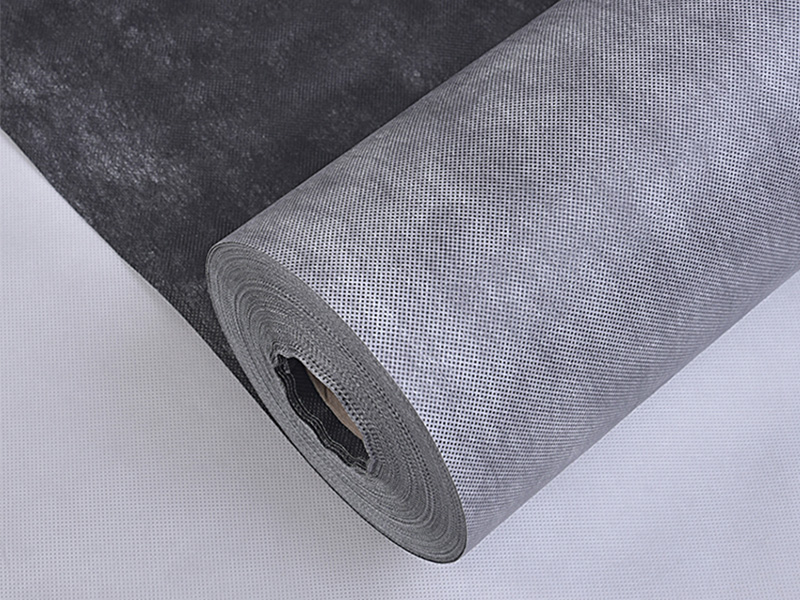
Key Points
A waterproof breathable membrane is not defined by one layer or one GSM number. Its performance comes from a product structure designed to manage liquid water, vapor movement and site handling together. This reference explains what buyers should ask about before comparing samples or approving an OEM specification.
- The outward-facing surface is designed to shed liquid water and wind-driven rain
- The functional layer supports controlled water-vapor diffusion from the assembly
- Support layers help protect the membrane during rolling, transport and installation
What each layer contributes
- Surface layers help the membrane resist rain and routine construction handling
- The functional layer is responsible for the balance between liquid-water resistance and water-vapor transmission
- A support or reinforcement layer can improve dimensional stability, tensile strength and tear resistance
What to confirm before approval
- Confirm the intended wall, roof or facade application before selecting a structure
- Review water resistance, vapor performance, tensile and tear data together rather than comparing GSM alone
- Check roll width, roll length, color, printed side, packaging and compatible tapes against the installation method
How membrane structure affects product selection
A waterproof breathable membrane is usually selected by balancing water resistance, vapour transmission, strength, weight and compatibility with the roof or wall system.
Structure considerations
- GSM influences handling strength, roll feel and suitability for different roof or wall projects.
- Breathable layers help manage vapour movement while resisting external water penetration.
- Vapour barrier or reflective combinations may be needed for insulation-facing roof assemblies.
- Fire-resistant options can be discussed for projects with stricter envelope requirements.
Buyer comparison points
- Ask for target test methods, certificate references and roll specifications before comparing prices.
- Compare products by application rather than only by GSM, because wall and roof requirements differ.
- Review sample feel, tear strength and print quality before private label bulk orders.
- Use case references to check whether the selected structure matches actual jobsite conditions.